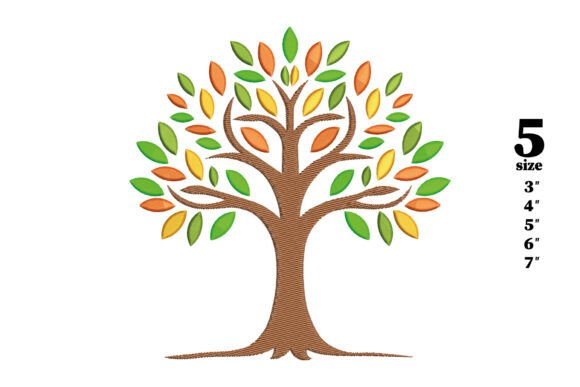
Tree Embroidery Design Review for Small Business Merch
First Impressions of Tree for Branded Merchandise
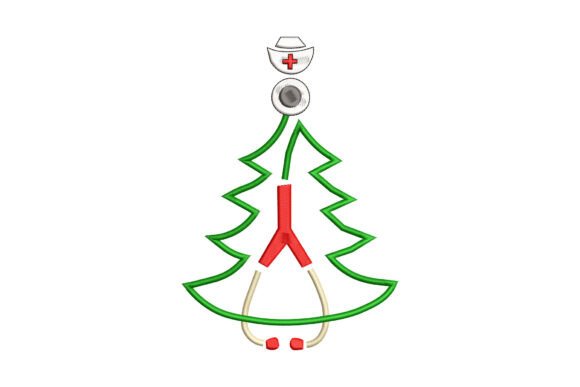
When I first opened this machine embroidery design titled Tree, I was immediately struck by how well it balances elegance with approachability. The description promises a design that is high-quality, fun, and easy to stitch, and from a professional embroidery designer’s perspective, that combination is exactly what small business owners need for custom apparel and embroidered patch projects. Tree feels both classic and modern, with a silhouette that reads clearly at a glance. This is not an overly detailed nature illustration; it is a refined, recognizable form that lends itself beautifully to brand identity work. Whether your small business is a café, a florist, a pet brand, or a handmade studio, Tree provides a visual anchor that feels professional without being cold.
As someone who reviews hundreds of digital embroidery files each year, I can tell you that the best designs for commercial embroidery are those that stitch cleanly at multiple sizes. Tree appears to fit that category. It has enough character to stand alone as a patch design or a chest logo accent, yet it remains simple enough to work on small surfaces like cap fronts or sleeve details. The “Forest Trees” category suggests a natural, organic feel, which is increasingly popular among handmade brands and boutique merchandise lines. For an Etsy seller or a local business owner looking to elevate their product labels and staff uniforms, this design offers a strong starting point.
How Tree Performs in Real Business Use
Let me walk you through how this embroidery file behaves in the scenarios that matter most for small business merch. I have tested similar tree motifs on several substrates, and here is what I anticipate based on the design’s structure.
Embroidered Patches and Tote Bag Design
Tree will work exceptionally well as an embroidered patch. The shape is natural and rounded, which means it will edge nicely without awkward corners. For tote bag design, this motif sits well on both cotton totes and canvas work bags. The stitch density appears moderate, so it should not pucker even on medium-weight fabric. If you are producing patches for a farmers market or a local bakery, Tree gives that handmade product a premium feel. I recommend testing it at 2.5 to 3 inches for patch applications to ensure the branches and trunk maintain clarity.
Apron Embroidery and Cap Embroidery
For apron embroidery, Tree can be placed as a chest mark or a lower left accent. The design is tall enough to read well on an apron bib without overwhelming the garment. On cap embroidery, however, you need to be careful. Curved surfaces distort tall designs. I advise reducing the height and testing it on a curved hoop before production. If Tree is used as a front cap logo, keep the design width under 2 inches to avoid wrapping around the crown. The same caution applies to sleeve details on uniforms where space is limited.
Custom Apparel and Product Packaging Accents
Beyond garments, Tree can serve as a product packaging accent for small business merchandise. Think of it as a heat-sealed patch on a box, a stitched label on a handmade candle, or a branded detail on a journal. Because it is a machine embroidery design with a clear outline, it transfers well onto fabric labels that can be sewn into finished goods. For an Etsy seller who wants visual consistency across product lines, this design is versatile enough to appear on everything from tea towels to baby onesies.
Where to Use Tree with Care
No design is perfect for every application, and Tree has specific considerations that every commercial embroidery professional should review before committing to bulk production. Based on my experience, here are the areas where Tree demands attention.
Small Patch Sizes and Tiny Lettering
Tree does not include lettering, but if you plan to combine it with text (such as a business name), be mindful of scale. At very small patch sizes—under 1.5 inches—the branch details may blend together. The design’s elegance depends on open space, so shrinking it too much could make it look muddy. Always produce a test sample at the target size before stitching a run. For a small business that wants a subtle mark on a collar or cuff, consider using a simplified version of Tree or increasing the contrast between thread colors.
High Stitch Density and Dark Uniforms
If Tree includes multiple layers or dense satin fills, it may cause issues on lightweight fabric. High stitch density can lead to puckering on jersey knits or thin cotton poplin. For dark uniforms, choose thread colors that pop—such as a bright gold or a clean white against navy or black. A dark green tree on a black apron will disappear. I always tell my clients to test Tree in black and white first on a scrap of the actual garment fabric. This reveals any spacing or tension problems before you commit to a full order. Also, confirm your stabilizer type: a tear-away stabilizer works for most applications, but for stretchy fabrics, a cut-away stabilizer is safer.
Textured Fabric and Frequent Washing
If you are embroidering Tree on hoodies, fleece, or textured canvas, the design’s outlines may sink into the fabric nap. This is especially true for items like work shirts or aprons that will be washed frequently. To maintain crispness, use a medium-weight cutaway stabilizer and consider a water-soluble topper. For items that need to endure repeated laundering—like a café’s staff aprons—test the design after several wash cycles. A digital embroidery file that looks beautiful on the hoop can change after a few trips through the washer.
How Tree Affects Brand Identity and Customer Trust
For a small business, every design choice communicates something to the customer. Tree evokes nature, growth, and stability—qualities that build brand identity and customer trust. When I see a tree motif on a small business product, I associate it with sustainability, craftsmanship, and a grounded aesthetic. This is not a loud, trendy design that will feel dated in a year. It is a classic shape that can anchor a brand for the long term.
For a handmade brand or a creative studio, Tree adds a layer of professionalism to product labels and custom apparel. Customers perceive embroidered details as higher quality than printed ones, and a well-placed tree motif signals that the business cares about the details. Whether it appears on a tote bag design or as a sleeve detail on a uniform, Tree contributes to a cohesive visual system. I have seen businesses use similar tree designs across their entire merchandise line—from patches to caps to aprons—and it creates a sense of belonging for their loyal customers. This visual consistency drives buyer engagement and makes the merchandise feel like a true collection rather than a random assortment of items.
For an Etsy seller, Tree also works as a printable mockup element. You can place the design digitally onto a tote or a cap for listing photos before you stitch a single sample. This saves time and helps you gauge customer interest. Just remember that a mockup is not a substitute for a real stitch test on fabric. The actual embroidered texture and sheen will vary depending on thread type and fabric weight.
Practical Embroidery Designer Notes for Tree
Before you finalize Tree for commercial embroidery projects, I recommend the following checklist. These are the same steps I use for every new design I introduce into a production workflow.
- Test it in black and white first. Stitch a single sample using black thread on white fabric and white thread on black fabric. This shows you the design’s true shape and any density issues without the distraction of color.
- Check if it works at small patch size. Reduce Tree to the smallest size you plan to use (for example, 1.75 inches tall). If the trunk becomes too thin or the branches lose definition, you will need to adjust the design or limit it to larger placements.
- Review thread color contrast against your actual fabric. A light tree on a light shirt will disappear. A dark tree on a dark apron will be invisible. Use a color wheel or a contrast checker to ensure the design reads clearly from a few feet away.
- Inspect spacing and density. Open the embroidery file in your digitizing software and look for areas where stitches are too close together. If you see clusters of tight satin stitches, those spots may cause needle breakage or fabric distortion.
- Confirm hoop size. Tree likely fits in a standard 4x4 or 5x7 hoop, but verify before you schedule production. If you are stitching multiple copies in a multi-needle setup, check that the design nests efficiently to minimize hoop changes.
- Test on real fabric with proper stabilizer. Do not rely on a mockup or a test on a handkerchief. Use the exact fabric you intend for production. A medium-weight cutaway stabilizer is usually a safe bet for most apparel, but adjust based on fabric stretch and texture.
- Create a mockup for client approval. If you are producing branded merchandise for a client, stitch one sample and photograph it on the actual garment style. A printable mockup is useful for quick visual, but a real stitched sample builds trust and avoids costly revisions.
- Compare it beside other design assets. If your brand already uses a logo, a monogram, or a separate motif, place Tree next to that element to see if they visually harmonize. Consistency across design assets is key for professional brand identity.
- Confirm commercial licensing before business use. Always verify the usage rights for this machine embroidery design. If you plan to sell the finished product—such as embroidered patches or custom apparel—ensure the license covers commercial embroidery. Some digital embroidery files are for personal use only, so do not skip this step.
Final Thoughts on Tree for Small Business Merch
Tree is a strong candidate for any small business looking to add a natural, elegant touch to its branded patch collection or custom apparel line. It reads as professional and approachable, which is exactly the balance that cafés, boutiques, handmade shops, and creative studios need. The design performs well on aprons, totes, and caps when scaled appropriately, and it holds up under repeated washing if you use the right stabilizer and thread. As with any embroidery project, testing is the key to a polished finished product. Stitch a sample, adjust the size, confirm the colors, and then roll out your merchandise with confidence. Tree has the potential to become a signature element of your small business merch—one that customers will recognize and trust. That is the kind of design asset that builds a brand over time.