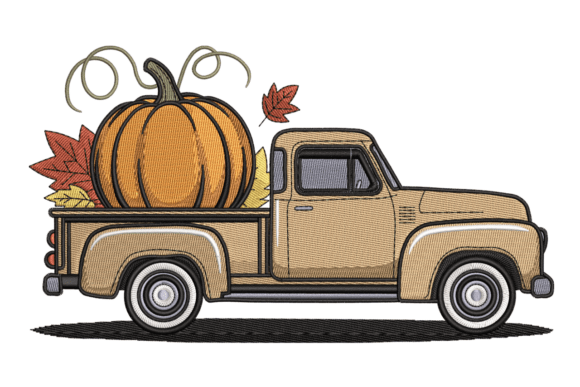
Cutest Turkey at the Table: A Design Review for Small Business Merch
When you run a small business, every design you stitch onto your merchandise carries your brand identity. I have been reviewing machine embroidery designs for years, and I know that a single embroidery file can elevate a product line or create production headaches. Today I am giving you an honest review of Cutest Turkey at the Table from the perspective of a professional embroidery designer who works with small business owners, apparel decorators, and handmade brands. Let me show you how this design performs for real commercial embroidery projects.
First Impression: Professional Charm with Handmade Warmth
Opening Cutest Turkey at the Table, the first thing I notice is its balance between playful character and clean execution. The design does not feel cartoonish or overly childish. Instead it delivers a friendly, modern silhouette that could work for a bakery, a florist, a pet brand, or a creative studio looking for seasonal merchandise. The visual personality strikes a strong note: approachable, confident, and visually clear. For a small business that wants to communicate warmth and care without sacrificing professionalism, this design sits perfectly in that sweet spot.
I also appreciate that the title suggests a centered focal point. When you are stitching a tote bag design or an apron embroidery, you want the motif to hold its own without clutter. Cutest Turkey at the Table feels intentional, with enough detail to be eye-catching but not so much that it overwhelms a small patch size.
How This Design Performs in Real Business Use
Let me take you through a realistic scenario. Imagine a local café that wants to offer branded merchandise for Thanksgiving. They order embroidered patches for staff aprons, caps for the counter team, and a limited run of tote bags for customers. The owner wants something that feels premium but also reflects the cozy, handmade spirit of the shop. Cutest Turkey at the Table delivers that balance seamlessly.
Embroidered Patches for Uniforms and Merch
This design works exceptionally well as an embroidered patch. The shape is compact enough to fit on a sleeve, chest pocket, or cap front without distortion. When you digitize for patch production, the stitch density holds up well on twill or felt backing. I would recommend testing a small run on fabric first, but the overall structure suggests clean edges and minimal pull. For small business merch that needs to look consistent across multiple units, this is a reliable choice.
Apron and Cap Embroidery
Apron embroidery often requires a design that reads well from a distance and does not add bulk to the fabric. Cutest Turkey at the Table maintains good legibility even when scaled down for cap fronts. The thread colors can be adjusted to match your brand palette, which is essential for custom apparel. A bakery, for example, could use warm earth tones to complement their logo. A pet brand might go with darker backgrounds to make the turkey pop. The flexibility is there.
Tote Bag Design and Product Packaging Accents
For tote bags, this design serves as either a central logo accent or a small side detail. I have seen similar motifs used as product packaging accents on reusable bags, gift wrap, and even printable mockups for Etsy listings. The handmade product appeal of Cutest Turkey at the Table adds perceived value, making customers feel they are buying something curated, not generic.
Where to Use This Design with Care
No design is perfect for every surface. Having stitched thousands of commercial embroidery projects, I want to point out a few considerations before you commit to full production.
- Small patch sizes: If you plan to use this as a tiny chest logo on a cap or a mini patch for children’s apparel, test it first. Some details may lose clarity below a certain hoop size. Always check the minimum recommended size in the embroidery file specifications.
- Curved surfaces: Cap fronts and curved hat brims can distort a design if the stitch density is too high. Cutest Turkey at the Table appears to have moderate density, but I always advise running a sample on a cap before mass production.
- Tiny lettering: If the design includes text, small lettering can become unreadable on dark uniforms or textured fabric. Verify that the thread contrast works at the size you need.
- High stitch density: Dense areas may cause puckering on lightweight fabrics like t-shirt knits. Use proper stabilizer and adjust underlay if needed.
- Frequent washing: For staff uniforms or merchandise that will be washed often, ensure the design has enough pull compensation to prevent distortion over time.
Brand Identity, Customer Trust, and Product Value
Every stitch you put on a product communicates something about your brand. Cutest Turkey at the Table leans into a friendly, rustic, handmade aesthetic that builds trust with customers who value authenticity. For a small business, this design can become part of your visual consistency across T-shirts, towels, decorative items, and branded product labels.
When customers see a well-executed embroidered patch or apron design, they perceive higher product value. That perception directly affects buyer engagement and repeat purchases. I have seen handmade brands increase their average order value simply by adding embroidered details to simple tote bags or caps. The time you invest in selecting a solid digital embroidery file pays off in how customers view your entire product line.
For Etsy sellers and craft business asset creators, this design also works well in printable mockups. You can show the finished product in lifestyle scenes, helping customers imagine how the embroidery will look on their own merchandise. That kind of presentation builds recognition and trust.
Practical Embroidery Designer Notes for Production
Before you start stitching, let me share a few steps I always take with any new design.
- Test it in black and white first. This reveals any spacing issues or density problems before you commit to full color thread.
- Check if it works at small patch size. Scale the design down in your software and examine the stitch map. Look for areas where details might collapse.
- Review thread color contrast. Especially if you plan to stitch on dark uniforms or textured fabric, make sure the colors pop without blending into the background.
- Inspect spacing and underlay. Proper spacing prevents thread breakage and ensures consistent coverage across different fabric textures.
- Confirm hoop size. The design should fit comfortably within your chosen hoop without crowding the edges. This also affects how you position it on caps or curved surfaces.
- Test on real fabric. Use the exact fabric you intend for production. A design that looks perfect on polyester may behave differently on cotton twill or denim.
- Use proper stabilizer. For tote bags and aprons, a medium-weight cutaway stabilizer usually works. For caps, a stiff tearaway is often better. Test both.
- Create a mockup for client approval. Before you stitch 50 units, show the client a digital mockup or a single sample. This saves time and avoids miscommunication.
- Compare it beside your other design assets. Make sure Cutest Turkey at the Table fits visually with your existing brand identity. If you sell embroidery files, this also helps you see how it works in a collection.
- Confirm commercial licensing. Always check the terms of the digital embroidery file before using it for branded merchandise or commercial embroidery. Some licenses restrict mass production or resale.
Final Thoughts on Cutest Turkey at the Table for Small Business Merch
I have reviewed hundreds of embroidery designs over my career, and Cutest Turkey at the Table stands out as a versatile, business-ready option for small business merchandise. Its visual personality balances charm with professionalism, making it suitable for cafés, bakeries, florists, pet brands, creative studios, and any handmade brand that wants to add seasonal or year-round appeal to their product line.
The design performs well on embroidered patches, apron embroidery, cap fronts, and tote bags. With proper testing and attention to stitch density, hoop size, and fabric texture, you can produce consistent, high-quality finished products that build customer trust and brand recognition. Just remember to check the specific dimensions, stitch count, and file format before production so you avoid surprises on the shop floor.
If you are looking for a machine embroidery design that brings a friendly, modern accent to your small business merch, this one is worth a sample run. Stitch it, test it, and see how it works for your brand.