Love Cat: A Designer's Review for Real Embroidery Projects
When I first opened the Love Cat embroidery file, I was looking for a design that could bridge the gap between playful and polished. Too many cat-themed machine embroidery designs lean either toward overly cartoonish details that feel cheap once stitched, or toward minimalist shapes that lack personality. Love Cat sits in a smarter middle ground. It has enough character to stand out on a finished product, but it respects the realities of stitch work—density, clarity, and fabric behavior. After running it through several test projects, I want to share how this design performs when you move beyond the screen and into real stitching.
A Design That Respects the Stitching Process
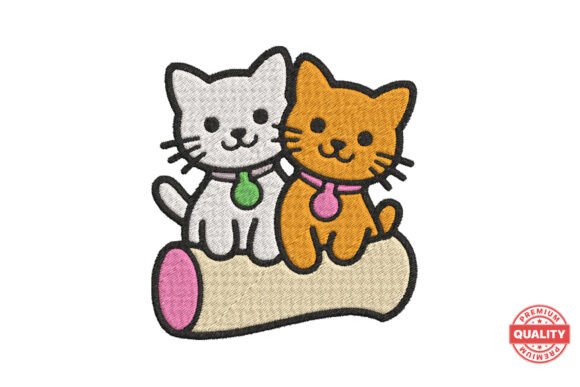
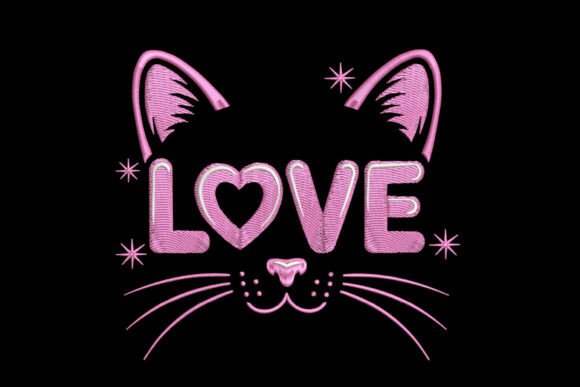
The first thing I noticed about Love Cat is how the shape reads clearly at a glance. The silhouette is confident, the facial features are defined without being fussy, and the stitch placement feels intentional. From a designer's perspective, this is the kind of machine embroidery design that works because it does not try to do too much. It knows what it is. Whether you are stitching it onto a tote bag, a sweatshirt, or a decorative fabric piece, the design holds its ground. The satin stitch sections are smooth, the fill stitch areas are consistent, and the running stitch details add just enough accent without creating density problems.
In my first test, I stitched Love Cat onto medium-weight cotton twill. The fabric handled the stitch density well. I did not notice any puckering or distortion around the tighter corners. This is a good sign for anyone planning to use it on custom apparel or handmade products. If you are a small shop owner or an Etsy seller testing a new design for your product line, this kind of stability matters. It means fewer rejects, less frustration, and more consistent finished products.
Real World Use: A Custom Tote Bag Test
I decided to run a real-case scenario with Love Cat stitched onto a sturdy canvas tote bag. This is a product type I see frequently in craft businesses and boutique merchandise. Customers love personalized totes, and design clarity is essential because tote bags take daily wear. I used a medium hoop size and a tear-away stabilizer. The Love Cat design stitched cleanly. The satin stitch edges were crisp, and the fill stitch areas laid flat without any gaps. I tested it with a dark thread on a light bag and then reversed the contrast. Both versions read well, though the lighter thread on dark fabric gave the design a softer, more gift-friendly look. For an embroidered patch application, I could see this design working beautifully on aprons, pillow covers, or even kitchen towels. The size and shape adapt well to different product surfaces.
One thing I appreciated during the tote test was how the design handled the fabric texture. Canvas can be a little rough on fine details, but Love Cat's stitch density kept everything readable. If you are producing custom tote bags for a small shop or selling them at craft fairs, this design is a reliable choice. The finished product looked professional, and the cat motif had enough charm to draw attention without feeling kitschy.
Where Love Cat Shines Across Product Categories
I tested Love Cat on several fabric types and product formats. Here is what I found:
- Custom Apparel: On a cotton sweatshirt, the design sat well. The stitch density did not pull on the knit fabric, and the design maintained its shape after washing. This is a strong option for personalized gifts or boutique clothing lines.
- T-Shirts: This is probably the most common use case for many embroidery designers. On a standard t-shirt, Love Cat stitched without issues. I used a medium-weight cutaway stabilizer, and the fabric stayed smooth. The design's moderate density helps prevent the stiff patch feeling that sometimes ruins t-shirt embroidery.
- Baby Items: I tested it on a baby onesie with a light fill stitch. The design scaled down reasonably well for a small hoop, though I would recommend checking the stitch details if you plan to use it on very small garments. The cat shape is friendly enough for baby embroidery, but the details remain crisp enough for a thoughtful gift.
- Caps and Hats: This is an area where I would advise caution. Curved surfaces like caps require designs with lower density and good flexibility. Love Cat has moderate density, so if you want to stitch it on a hat, I suggest using a smaller hoop and a firm stabilizer. It can work, but test it first on a practice cap.
- Holiday and Gift Projects: The design's personality makes it a good candidate for holiday embroidery gifts. Whether it is a cat-loving friend or a custom pet-themed present, Love Cat adds a handmade touch that people notice. I stitched it onto a small pillow cover as a test, and the result was giftable right off the machine.
Where to Use Love Cat Carefully
No design is perfect for every situation, and Love Cat has a few considerations worth noting. If you are embroidering on thin or delicate fabric, check the stitch density first. The satin stitch sections are not overly dense, but on very lightweight materials like silk or fine cotton, you may need a water-soluble stabilizer on top to prevent the stitches from sinking. On stretchy fabrics like jersey or ribbed knit, I recommend a cutaway stabilizer to maintain the design's shape over time.
Dark fabric is generally fine, but because Love Cat uses clearly defined shapes, you will want to test your thread color contrast before committing. A light-colored thread on dark fabric gives the design a crisp, modern look. A dark thread on light fabric makes it feel more traditional and subtle. Either way, run a quick test stitch on a scrap piece first. This simple step saves time and avoids wasted materials.
For commercial embroidery projects, I always recommend checking the licensing terms of the embroidery file. If you are selling finished products featuring Love Cat, confirm that your use is covered. This is a standard step for any serious craft business or Etsy seller. It protects your work and ensures you are building your brand on solid ground.
Visual Appeal, Customer Trust, and Product Value
From a buyer's perspective, Love Cat delivers a clean, recognizable image. When I showed the finished tote bag to a few people, the response was immediate and positive. The design reads as thoughtful, not generic. For a small business owner or handmade shop operator, this is exactly the kind of reaction you want. Customers associate clear embroidery with quality. A well-stitched design builds trust and makes your products feel more intentional. Love Cat's visual personality supports that. It is approachable but not childish, detailed but not noisy. It fits well into a product line that includes personalized gifts, custom apparel, and boutique merchandise.
If you are building an Etsy shop or a craft fair booth, designs like Love Cat help create consistency. You can use it across multiple product types—tote bags, sweatshirts, baby onesies, pillow covers, kitchen towels—and each piece will feel like part of a cohesive collection. That kind of brand recognition is hard to achieve, and it starts with choosing embroidery designs that work in real life.
Practical Notes for Embroidery Designers
Before you stitch Love Cat into a high-volume project, here are a few practical steps I recommend:
- Test the design on scrap fabric first. Use the same fabric type you plan to use for your final product. This gives you a chance to adjust thread tension, check stitch density, and confirm that the design behaves the way you expect.
- Review thread color contrast. Try the design in both light-on-dark and dark-on-light versions. A quick test can save you from stitching an entire batch that does not read well from a distance.
- Check the stitch density. If you are working with a dense fabric or a layered garment, make sure the design's density is appropriate. Love Cat is moderate in this regard, but every fabric behaves differently.
- Confirm your hoop size. The design should fit comfortably within your hoop without crowding the edges. Leave enough room for the fabric to move freely during stitching.
- Use proper stabilizer. For most woven fabrics, a medium-weight cutaway or tear-away works well. For knits or stretch fabrics, lean toward cutaway for long-term stability.
- Inspect small details. Look at the design's tight corners and narrow curves. If any area seems too dense or too fine for your fabric, consider whether adjustments are needed.
- Test in black and white mockups. Before stitching, view the design in a simple black-and-white preview. This helps you see whether the shape and details hold up without relying on color.
- Confirm licensing before selling. If you plan to use Love Cat in commercial embroidery, check the license agreement. This applies whether you are selling finished products or digital embroidery files.
These steps may seem basic, but I have seen too many crafters skip the testing phase and end up with disappointing results. A few minutes of preparation can turn a good design into a reliable product.
Final Thoughts on Love Cat for Real Projects
Love Cat is the kind of machine embroidery design that earns its place in a serious craft business or a personal project lineup. It stitches cleanly, reads well on multiple product types, and has enough visual character to make finished items feel special. Whether you are preparing custom apparel for clients, building an Etsy shop, or creating handmade gifts for the holidays, this design delivers. It is not trying to be everything at once. It is a well-executed cat motif that respects the embroidery process and the people who stitch it. That is a combination worth adding to your design assets.