Polar Bear Christmas Tree: A Designer Review for Real Projects
When I first opened the Polar Bear Christmas Tree machine embroidery design, I had a clear gut feeling about where it belonged. Not every holiday design earns a spot in my active project folder. But this one did. The composition is simple enough to stitch cleanly, yet playful enough to feel like a real gift—not just another mass-produced seasonal graphic. If you are a small shop owner, an Etsy seller, or a hobbyist who makes custom apparel for friends and family, this design deserves a close look before you commit fabric and thread.
First Impressions and Visual Personality
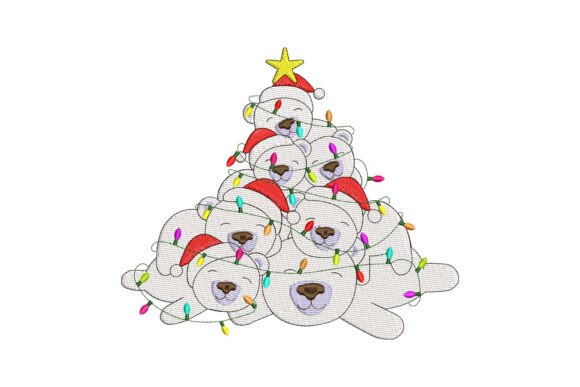
The design reads as a modern, slightly whimsical Christmas motif. The polar bear shape is round and approachable, not too realistic, which actually helps it translate well into embroidery at different sizes. The tree element adds a clear seasonal anchor without overwhelming the bear. Together they create a mood that feels cozy and giftable. I immediately thought of a cream-colored sweatshirt for a holiday market booth, or a sturdy tote bag as a hostess gift. The design has enough character to stand alone as a focal point, but it is not so loud that it competes with other elements if you want to pair it with text or a monogram.
What impressed me most on first inspection was the balance between detail and practicality. The bear’s face and the tree branches are distinct without requiring excessive stitch density. That matters when you are stitching multiple units for a craft fair or a batch of personalized gifts. You want a design that looks finished and premium but does not bog down your machine or eat through stabilizer. Polar Bear Christmas Tree hits that sweet spot.
Real Case: Embroidering a Holiday Tote Bag
Let me walk you through a real project I prepared using this design. I had an order for a set of custom tote bags as team gifts for a small office holiday party. The client wanted something that felt handmade but not childish, and they specifically asked for a winter animal theme. I selected Polar Bear Christmas Tree because it matched the tone they wanted: festive without being cartoonish.
I hooped a medium-weight cotton canvas tote with a tear-away stabilizer. The fabric had a bit of texture but no stretch, which made it forgiving for a first test. I ran a quick test stitch on scrap cotton before the real bags, and I am glad I did. The first run showed me that the satin stitch around the tree trunk needed a slightly tighter underlay to prevent the needle from pushing into the fabric grain. That is the kind of detail you only catch during a test. After adjusting the underlay, the second test came out crisp.
The final tote bags looked great. The bear’s face stitched clearly, the tree stood out against the natural fabric, and the whole design sat at a size that felt intentional—not too small to notice, not so large that it overwhelmed the bag. The client was happy, and I felt confident offering the design to other customers.
Where This Design Shines
Polar Bear Christmas Tree works beautifully on several product types. Based on my testing, here is where I would recommend it:
- Custom apparel: Sweatshirts, t-shirts, and baby bodysuits. The rounded shape of the bear fits well on a chest or left-front placement. On a toddler-sized garment, scale the design down slightly to keep the proportions balanced.
- Tote bags and canvas goods: As my real case shows, this design is ideal for items that need a durable, washable stitch. The fill stitch areas are not too dense, so the embroidery holds up well after repeated use.
- Embroidered patches: If you sell digital files or make physical patches for resale, this design has a clean outline that works well as a standalone patch. Use a tightly woven fabric and a medium-weight cutaway stabilizer.
- Holiday gifts and personalized items: I can see this on a pillow cover, a kitchen towel set, or even a simple apron. The design reads as giftable, which adds perceived value for buyers looking for handmade product options.
- Nursery decor: The soft, approachable look of the polar bear makes it a natural fit for a baby blanket or a wall hanging. The Christmas theme is clear, but not aggressive, so it could even work as a winter-themed piece beyond the holiday season.
Places to Use Caution
Not every project is right for this design. I want to be practical about where Polar Bear Christmas Tree may need extra care or may not be the best choice.
- Small hoop sizes: If your hoop is on the smaller side, check the design’s dimensions before committing. The bear and tree together need enough space to maintain detail. Scaling down too much could cause the satin stitch elements to lose clarity, especially around the tree branches and the bear’s facial features.
- Thin or stretchy fabric: Lightweight knits, jersey, or slippery fabrics like satin can cause shifting. If you must embroider on these, use a stabilizer designed for unstable fabrics and consider a water-soluble topping to keep the stitches from sinking.
- Dark fabric: The design uses light and medium tones by default. On a dark background, check your thread colors carefully. You may need to adjust the palette or add a white underlay to keep the bear visible. I recommend testing on a scrap of the actual fabric before stitching the final product.
- Curved surfaces like caps: The design’s shape is not overly wide, so it could fit on a cap front with some adjustment. But the tree branches and the bear’s round face may distort if the cap is heavily curved. Use a cap hoop and extra basting if you attempt this.
- Dense stitch areas that will be washed frequently: While the overall stitch density is reasonable, any dense area can become problematic on items that will see heavy washing, like kitchen towels or reusable shopping bags. Use a good quality stabilizer and reinforce the back with a soft fusible if needed.
How This Design Affects Product Value and Customer Trust
When you offer a finished item featuring Polar Bear Christmas Tree, the design itself becomes part of your brand. A clean, well-stitched motif tells customers that you care about quality. The bear and tree theme is immediately recognizable as holiday-related, but the execution is what makes it feel premium. If the stitchout is crisp, the thread colors are well chosen, and the placement is thoughtful, the finished product will feel more like a boutique item than a mass-market decoration.
For Etsy sellers and small shop owners, this design can be a strong addition to your holiday lineup. It is versatile enough to appear on multiple product types, which means you can create a cohesive collection without needing ten different design files. Customers appreciate seeing a consistent look across your shop. It builds trust and makes your handmade product feel intentional.
I also think this design works well for digital product sellers. If you sell embroidery file bundles or design assets, the Polar Bear Christmas Tree has the kind of broad appeal that works in a curated set. It is not overly niche, and it complements other winter or holiday motifs without clashing.
Practical Designer Notes Before You Stitch
Before you load your machine, here is a checklist based on my experience with this design:
- Test on scrap fabric first. Always. I cannot overstate this. Run a test stitch on a fabric that mimics your final project material. Check for thread breaks, shifting, or any place where the fill stitch or satin stitch does not lay cleanly.
- Check thread color contrast. The default palette works well on medium and light backgrounds. On dark fabric, consider adjusting the bear’s body to a lighter shade or adding an outline in a contrasting color.
- Review stitch density for your fabric. If you are using a dense fabric like canvas or denim, the design should run smoothly. On lighter fabrics, reduce density slightly or add a stabilizer layer to prevent puckering.
- Inspect small details. Look at the tree branches and the bear’s face in your test stitchout. If any area looks muddy or unclear, it may need a slight size increase or a running stitch adjustment.
- Check the hoop size. Confirm that your hoop can accommodate the design at full size without crowding. If you are scaling down, test first to ensure the detail holds.
- Test in black and white mockups. This helps you see the shape and contrast without being distracted by color. If the design reads clearly in grayscale, it is likely well constructed.
- Compare light and dark fabric backgrounds. A design that looks perfect on white can disappear on navy. Test both ends of the spectrum.
- Check licensing before selling. If you plan to sell finished items or digital products featuring this design, confirm that your commercial embroidery license covers your intended use. Respect the creator’s terms, and keep records of your licenses.
Final Thoughts on Polar Bear Christmas Tree
After spending time with this design, I can say it is a solid choice for anyone who creates custom apparel, personalized gifts, or seasonal merchandise. It is not overly complicated, which is a strength. The simplicity makes it reliable, and the charm makes it sellable. Whether you are stitching a single gift for a loved one or running a batch of embroidered patch orders for your shop, Polar Bear Christmas Tree delivers a look that customers will recognize and appreciate.
Use the right stabilizer, test your setup, and let the design do the work. If you do, the finished product will feel like it came from a thoughtful maker—not a machine. And that is the kind of embroidery project that builds a loyal audience.