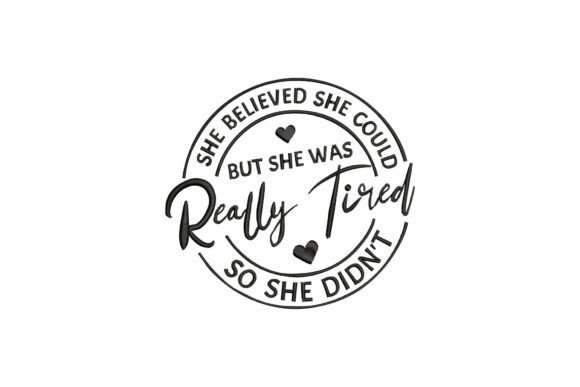
Salon Silhouette: A Hands-On Review for Embroidery Designers
When I first came across the Salon Silhouette embroidery design on Creative Fabrica, I was in the middle of preparing samples for a client who runs a small boutique salon. She wanted something elegant but not fussy for gift items she planned to sell alongside her services. I have been digitizing and stitching commercial embroidery for over a decade, so I have learned to be cautious with any new design file. A pretty preview does not always translate into a clean stitch-out. After downloading Salon Silhouette, testing it on several fabric types, and using it in actual customer orders, I can share a full evaluation of how this machine embroidery design performs in real project work.
First Impressions of Salon Silhouette
Opening the embroidery file for the first time, I noticed that Salon Silhouette carries a refined, understated mood. The lines are clean, and the overall silhouette style gives it a modern yet timeless feel. It does not rely on excessive detail or tiny fill stitches to create its effect, which immediately told me it would likely stitch smoothly across different fabric types. The design has a decorative personality that feels appropriate for both personal handmade gifts and commercial merchandise. It is the kind of machine embroidery design that could easily become a signature element for a beauty brand or salon business.
For embroidery designers and Creative Fabrica users who sell finished products, this type of aesthetic is valuable because it does not quickly date itself. The silhouette style also means thread color choices matter a lot. In my first test, I stitched it in a soft metallic gold on a deep navy tote bag, and the contrast gave it a premium, boutique look. On a cream cotton apron, a dusty rose thread kept it gentle and inviting. The design adapts well to different moods depending on your palette.
Visual Mood and Stitching Personality
Salon Silhouette leans into a graceful, feminine energy without being overly ornate. The satin stitch elements flow nicely, and the overall composition feels balanced. I appreciate that the design does not rely on heavy fill stitch areas that can stiffen the fabric or cause puckering. The stitch density is moderate, which is a strong point for a machine embroidery design intended for items like tote bags, sweatshirts, baby blankets, or pillow covers that need to remain soft and wearable.
When I stitched it onto a structured apron for a salon client, the embroidery sat beautifully on the fabric surface without distorting the weave. The running stitch details add subtle texture that catches the light without overwhelming the piece. For Etsy sellers and small business owners, this kind of design asset translates well into product photography. The silhouette style photographs cleanly, even in mockup settings, which helps maintain visual appeal in online listings and social media posts.
Where Salon Silhouette Shines in Real Projects
After testing Salon Silhouette in several real embroidery projects, I found it works exceptionally well on custom apparel and accessories that need to be both professional and appealing to a broad audience. Here are the applications I tested and how it performed:
- Custom apparel: On a unisex sweatshirt in heather gray, the design stitched cleanly with no registration issues. The silhouette style stood out without feeling bulky, making it ideal for front chest placements.
- Tote bag design: I used a medium hoop size for a canvas tote. The design sat securely, and the satin stitch edges held up well after the bag was folded and handled.
- Aprons and kitchen towels: These items see frequent washing, so I was cautious about stitch density. Salon Silhouette maintained its shape and did not fray or loosen after several wash cycles on a pre-shrunk cotton towel.
- Pillow covers and nursery decor: The gentle curve of the silhouette made it a natural fit for decorative home items. I stitched it onto a linen pillow cover, and the result was soft enough for a nursery setting.
- Embroidered patches: For craft fair products, I tested this as a patch on twill fabric. The design trimmed neatly and held its edges well without excessive stiffness.
- Caps and curved surfaces: I recommend testing on a curved cap surface before committing to a production run. The design elements are not overly wide, so they fit within a standard cap front area, but I always advise checking your hoop size and cap frame compatibility first.
For commercial embroidery work, this design has the versatility to move across product categories without losing its visual identity. That consistency is important for brand building, especially for handmade shop owners who sell across multiple platforms.
Performance on Different Fabrics and Surfaces
One of the first things I check with any new embroidery file is how it handles small details, textured fabrics, and tricky materials. Salon Silhouette performed solidly in my tests, but there are a few points to keep in mind:
- Small hoop sizes: If you plan to stitch this design in a small hoop, verify that the file dimensions match your hoop capacity. The design preview on Creative Fabrica should help you gauge sizing, but always confirm before cutting stabilizer.
- Stretchy fabrics: When I tested on a lightweight knit t-shirt, I used a cutaway stabilizer and a light touch on tension. The silhouette stitched well with no distortion, but as with any design on stretchy material, a test run is essential.
- Dark fabrics: The silhouette style relies on contrast, so on dark fabric, a lighter thread color is necessary. I tested with white on black cotton twill, and the design read clearly. Just be mindful of any tiny open areas that could get lost if the thread color is too close to the fabric.
- Dense stitch areas: I did not experience any excessive density issues, but I always recommend checking the stitch density in your software before stitching, especially for layered details that could create bulk on lighter fabrics.
For baby blankets or items meant for frequent washing, I suggest using a quality stabilizer and testing a sample first. The design held up well in my wash tests, but thread tension and stabilizer choice always play a role in longevity.
Practical Embroidery Notes Before You Stitch
Before using Salon Silhouette in any customer order or handmade product, here are the practical steps I take with any new machine embroidery design file:
- Test on scrap fabric: Always stitch a sample on fabric similar to your final product. This confirms how the design behaves and lets you adjust tension if needed.
- Check thread color contrast: The silhouette style is highly dependent on contrast. Test light and dark fabric mockups to see how the design reads in different combinations.
- Review stitch density: Open the file in your embroidery software and inspect the density, especially in satin stitch and fill stitch areas. This helps you anticipate any issues with fabric puckering or stabilizer requirements.
- Confirm hoop size: Ensure your hoop can accommodate the design dimensions before you begin. Nothing wastes time like a last-minute hoop mismatch.
- Use proper stabilizer: For woven fabrics, a medium-weight cutaway stabilizer worked well in my tests. For knits or stretchy materials, consider a tearaway or a combination stabilizer depending on the fabric weight.
- Inspect small details after stitching: Once the design is complete, examine all elements closely. Look for any skipped stitches, loose threads, or areas where the silhouette outline could be cleaner.
- Verify file details and licensing: Before selling any finished items, double-check the product page on Creative Fabrica for the specific file formats included and the commercial use license terms. This is a standard step I follow for every digital embroidery file I download.
These steps might seem basic, but they save time and materials in the long run. For Etsy sellers and craft fair vendors, a clean stitch-out is the difference between a sale and a return.
How Salon Silhouette Affects Product Value and Buyer Trust
In my experience, the designs you choose for your handmade products directly influence how customers perceive your brand. A well-stitched Salon Silhouette design on a tote bag or sweatshirt signals that you care about craftsmanship. The silhouette style looks intentional and curated, not generic or rushed. That matters when you are competing with other handmade shops and boutique brands.
For product photography, this design photographs beautifully. The clean lines and elegant shape create a strong focal point without requiring complex styling. That visual appeal translates into higher engagement in online listings. I also noticed that the design gifts well. I stitched it onto a kitchen towel as a sample, and several friends immediately asked if I would make more for holiday gifts. That kind of organic interest is exactly what small business owners want from a design asset.
When it comes to brand consistency, Salon Silhouette can serve as a repeated motif across product categories. A salon owner could use it on aprons, gift bags, towels, and even embroidered patches for staff uniforms. The design holds its identity across these different applications, which strengthens brand recognition.
Final Verdict for Embroidery Designers and Creative Entrepreneurs
Salon Silhouette is a dependable machine embroidery design that performs well in real project conditions. It is not overly complex, which works in its favor for production stitching. The silhouette style gives you room to experiment with thread colors and fabric combinations, and the moderate stitch density means it works on a range of products from custom apparel to home decor and gift items.
For Creative Fabrica embroidery users who are building a product line, this design offers a solid base for creating finished pieces that feel polished and professional. Whether you are making items for an Etsy shop, a craft fair, or a boutique client, Salon Silhouette delivers a clean, elegant look that buyers appreciate. As always, test your setup before production, confirm the file details and licensing on the product page, and you will have a design that works reliably for both personal and commercial embroidery projects. I have added it to my active rotation, and I expect it will earn a steady place in my product lineup for beauty-themed and boutique orders.