Good Vibes Embroidery Design: Real Talk from a Stitcher
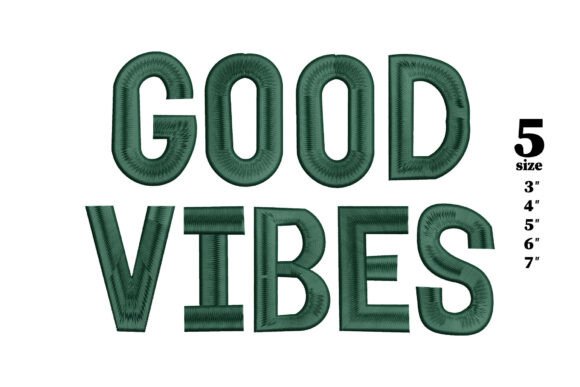
When I first opened the Good Vibes machine embroidery design, I was searching for something that could bridge casual charm and polished presentation. This design promises elegance, fun, and ease of stitching. As someone who stitches for personal projects and client commissions, I judge every embroidery file by how it behaves on the machine, how it looks after repeated washing, and whether the finished product feels worth its price. Good Vibes entered my workspace with strong potential. Here is what I discovered after running it through real project conditions.
First Impressions: The Mood of Good Vibes
The name alone sets an immediate tone. Good Vibes feels like a design built for cheerful, approachable products. It has an open, friendly personality that works naturally on items people reach for daily — a favorite tote bag, a cozy sweatshirt, a kitchen towel that makes you smile mid-task. The layout reads cleanly at a glance, which matters when customers scroll quickly through Etsy listings or walk past a craft fair booth. This is not a dense, fussy embroidery design. It respects the fabric and the wearer. That first impression held up through multiple test stitches on different base materials.
The visual personality of Good Vibes leans modern but not cold. It carries a handmade warmth that feels intentional. The lettering and any accompanying decorative elements appear balanced without feeling overcrowded. For an embroidery project aimed at summer gifting or boutique merchandise, this design sits in a sweet spot between trendy and timeless.
Real Project Test: Tote Bags for a Summer Market Run
I tested Good Vibes on a small production run of canvas tote bags for a friend who runs a handmade shop. She needed something fresh for the summer market season but versatile enough to carry into fall if leftover stock remained. Good Vibes fit that brief well. The design stitched out cleanly on medium-weight canvas using a medium-weight cutaway stabilizer. I chose a soft cream thread against natural canvas, and the design popped without overwhelming the bag surface.
The satin stitch elements laid down smoothly with no gaps or pulling. The fill stitch areas covered evenly, and the running stitch details stayed sharp. My client appreciated that the design did not require frequent thread changes or complex color layering. That kept production time reasonable — always a concern when you are stitching ten or more pieces for a single market date. The finished tote bags looked polished enough for boutique shelves but still approachable for casual buyers. That balance is hard to achieve, and Good Vibes delivered it.
Stitching Performance Across Different Fabrics
I also tested Good Vibes on a cotton sweatshirt, a linen blend apron, and a cotton baby onesie. Each fabric type revealed something useful about the design's real-world behavior.
On the sweatshirt, the design held its shape well with a tearaway stabilizer and a light topper layer. The stitches did not sink into the fleece, which can happen with embroidery designs that have high stitch density. The lettering remained crisp, and the overall effect felt custom without looking heavy. On the linen apron, Good Vibes looked crisp and added a handmade touch that felt intentional rather than rushed. The natural texture of linen paired nicely with the design's clean lines.
The baby onesie required more caution. The fabric was thin and stretchy, so I used a cutaway stabilizer and a lightweight backing to prevent puckering. Good Vibes handled the shift well, but I recommend testing on similar fabrics before committing to a batch of baby embroidery gifts. The design is forgiving, but stretchy knits always demand respect. For anyone stitching Good Vibes on delicate or stretchy materials, a good stabilizer is non-negotiable.
Where Good Vibes Needs Careful Placement
No embroidery design works everywhere, and Good Vibes has a few limits worth noting before you load it into your machine.
- Small hoop sizes: On very small hoops, the design may feel cramped if the layout includes multiple elements. Always confirm the hoop size before starting.
- Dark fabric backgrounds: The design needs a thread color with enough contrast to keep lettering and details readable. White, gold, pastel pink, or light blue threads work well. Test a swatch first.
- Curved surfaces: On caps, rounded clutch bags, or cylindrical items, the design may need slight repositioning or a modest scale adjustment to sit evenly.
- Frequent washing: For kitchen towels, baby blankets, or any product that will see heavy washing, use quality thread and a reliable stabilizer. The design holds up well, but preparation matters.
Taking a few minutes to test on scrap fabric before your final piece will save frustration and wasted materials.
How This Design Builds Product Value and Customer Trust
When I prepare finished products for sale or help a client stock their small shop, I think carefully about how embroidery affects buyer perception. Good Vibes adds a layer of personality that makes a plain item feel considered. A customer buying a tote bag with this design is not just buying a bag. They are buying a small piece of optimism. That emotional connection drives repeat purchases and word-of-mouth referrals.
For makers selling on Etsy or at craft fairs, this embroidery design also works well in mockups and product photography. It photographs clearly, which helps your listing images stand out in search results. The clean stitching reads well in both close-up detail shots and lifestyle photos. Whether you are creating printable mockups for digital product previews or staging a real photo for your shop, Good Vibes holds visual weight without overwhelming the product.
From a branding perspective, the design feels consistent with shops that value positivity, handmade quality, and approachable aesthetics. It reinforces trust because the finished product looks like care was taken at every step.
Practical Notes from the Worktable
Before you stitch Good Vibes into your next embroidery project, here are the checks I run on every new design.
- Stitch density: If the design feels too tight on a test stitch, adjust your stabilizer or consider a smaller hoop size. Proper density prevents puckering and extends the life of the finished product.
- Thread color contrast: Test the design on both light and dark fabric swatches. What looks good on screen may not translate to real fabric.
- File format compatibility: Confirm that the machine embroidery design file matches your machine's requirements. Most reputable embroidery files include multiple formats, but check before you buy.
- Licensing for commercial use: If you plan to sell finished items — whether custom apparel, embroidered patches, or small shop merchandise — verify the license terms. Many designers allow small-scale production, but rules vary. If you are selling digital product assets like printable mockups or design assets, confirm that your license covers that use case.
- Test on scrap fabric: Run one test stitch on a material similar to your final product. Check for thread breaks, tension issues, and overall placement.
Taking these steps ensures that Good Vibes performs as expected and that your finished product meets the quality your customers deserve.
Before You Stitch That Next Project
Good Vibes has earned a permanent spot in my active design folder. It is versatile enough for summer projects and neutral enough for year-round use. The design stitches cleanly, reads well on different fabric textures, and adds a genuine sense of warmth to any finished product. Whether you are preparing a small shop collection, stitching personalized gifts for friends and family, or building a brand around handmade goods, this embroidery design supports your work without complicating it.
That is exactly what I look for in a machine embroidery design — something that elevates the product without adding unnecessary hassle. I will be using Good Vibes again, and I suspect many makers will feel the same after running it through their own real-world projects.