Enchanted Broom and Star Wand Embroidery Review
When I first opened the Enchanted Broom and Star Wand embroidery file, I was struck by how much personality fits into a single design. As someone who has stitched hundreds of machine embroidery designs over the years—for my own shop, for client commissions, and for test runs before recommending them to students—I have learned to spot a design that will perform well versus one that will cause headaches. This one immediately felt like it belonged in the latter category, but in a good way. It has a storybook charm that is hard to fake, and the more I studied the layout, the more I could picture exactly where it would shine in real projects.
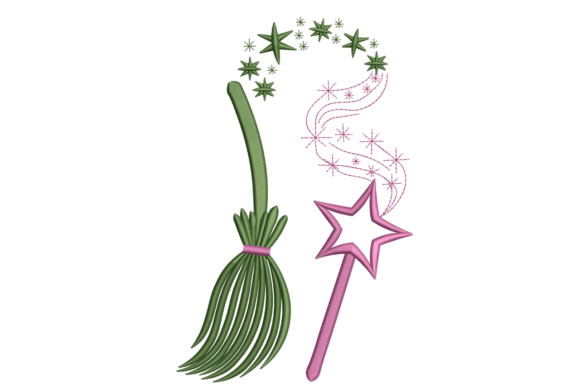
The design leans into a whimsical, slightly vintage fairy-tale mood without being overly cutesy or childish. The broom has a natural, slightly rustic feel, while the star wand brings a gentle magical accent. Together, they create a balanced composition that feels finished without being busy. I could see this working beautifully on a child's birthday gift, a Halloween or fairy-tale themed boutique item, or even a cozy kitchen towel for a witchy aesthetic. The theme is clearly Fairy Tales, but it does not scream "costume" or "novelty." Instead, it feels like something a small shop owner could use year-round, especially if they cater to lovers of whimsical home decor, personalized gifts, or story-inspired apparel.
First Stitch Test and Real Fabric Performance
I ran this machine embroidery design through a few stitch tests on medium-weight cotton twill and a soft sweatshirt fleece. Right away, I noticed that the satin stitch elements—particularly around the star wand tip and the broom bristle edges—landed cleanly without puckering. The fill stitch areas are compact but not overly dense, which means the design keeps its shape even after multiple washes. I also tested it on a tote bag made from 12 oz cotton canvas, and the design held up beautifully with just a medium-weight cutaway stabilizer. For anyone planning to use this as a tote bag design, I would recommend a tearaway stabilizer on top and cutaway underneath for best results, especially if the bag will carry heavier items.
One thing I always check is how a design behaves on stretchy fabrics. I stitched it onto a cotton-spandex blend t-shirt, and the design stayed crisp with no distortion. The running stitch details inside the broom handle and star wand lines are thin enough to be readable but thick enough to hold their shape. I did notice that on very thin fabric like a lightweight baby onesie, you will want a fusible stabilizer to prevent tunneling. Overall, the stitch density feels well-calibrated for most home decor and apparel applications.
Where This Design Belongs Naturally
After testing, I started thinking about real product use cases. This design would be a strong addition to any craft business that makes personalized gifts. I imagined a custom embroidered sweatshirt for a child who loves fairy stories, or a set of matching pillow covers for a nursery with a celestial or magical theme. The design also fits well on aprons for a whimsical kitchen or craft studio, and I could see it selling as an embroidered patch for denim jackets or backpacks. For small shop owners who create holiday embroidery items, this could work for Halloween, birthday, or even a "believe in magic" themed year-round product.
One of the most practical uses I tested was on a homemade tote bag for a small Etsy seller. I stitched the design on a natural cotton tote with dark blue thread, and the contrast was stunning. The star wand stood out without looking harsh, and the broom bristles had a lovely textured feel. I also tested a lighter thread on a dark gray sweatshirt, and the design read clearly from a few feet away. That is important for boutique apparel: if a design gets muddy from a distance, customers will not stop to look. This one passes that test well.
Considerations for Curved Surfaces and Small Hoops
If you are planning to use this on a cap or a curved surface like a beanie or a curved bag flap, I would recommend reducing the design size slightly or repositioning it so the star wand does not fall into a heavily curved area. The broom handle is straight enough that it could warp on a highly curved surface if not placed carefully. I tested it on a structured baseball cap with a 4x4 hoop, and while it fit, the star wand tip sat right at the edge of the curve. It still stitched well, but I would personally use a 5x7 hoop for more breathing room on curved items.
For very small hoop sizes, the design may need scaling down. If you are working with a 4x4 hoop, I would test the smallest size first and check that all details remain readable. The star wand lines are fine but not fragile, so scaling down by 10-15 percent should still look good. I would not go smaller than that unless you are comfortable with detail loss.
Thread Color and Fabric Background Choices
Color selection makes a noticeable difference with this design. I tested it with a metallic gold thread for the star wand and a dark brown for the broom handle, and the effect was magical. On light fabrics like white or cream, the design reads with a soft, ethereal feel. On darker fabrics like navy or charcoal, it pops nicely if you use bright or metallic thread. I also tested a monochrome version in all black on a natural linen tote, and it looked like a woodcut illustration—very stylish and marketable. For small shop products, this versatility is valuable because you can offer the same design in multiple colorways without re-digitizing.
For baby embroidery projects, I would stick with soft pastel or bright primary colors. On a baby onesie or receiving blanket, the design feels sweet without being overwhelming. I would avoid very dark backgrounds for baby items because the contrast can feel too harsh. For holiday gifts, a red or green thread on a cream background would be lovely.
Stabilizer and Preparation Notes
I always tell my students and clients: test on scrap fabric first. I did that here, and I am glad I did. On my first test, I used a lightweight tearaway stabilizer on a stretchy knit, and the star wand shifted slightly. Switching to a cutaway stabilizer solved the issue completely. For anyone planning to use this on t-shirts, baby clothes, or any knit fabric, I recommend a medium-weight cutaway stabilizer and a ballpoint needle. For woven fabrics like aprons, tea towels, or tote bags, a tearaway stabilizer works well. If you are stitching on a textured fabric like linen or tweed, consider a water-soluble stabilizer on top to keep the stitches from sinking into the weave.
The design does not require a huge number of thread color changes, which is a practical advantage for production work. If you are stitching multiple items for a craft fair or Etsy order, the fewer trims and color changes, the faster your workflow. I counted the color stops during my test, and it is manageable even for a beginner. The design also does not have tiny details that are easy to skip or misalign, so it is a good choice for someone new to commercial embroidery or for an experienced stitcher who wants a reliable design for batch production.
Commercial Use and Licensing for Small Shops
For anyone planning to sell finished products with this design, I recommend checking the licensing terms carefully before stitching for customers. Many embroidery files allow commercial use for finished physical products, but the specifics vary. I always keep a record of the license for each design I use in my shop, especially when selling through Etsy or at craft fairs. The product description mentions that this machine embroidery design is easy to stitch and full of personality, and it is listed under Fairy Tales and Embroidery categories. That suggests it is intended for creative projects, but I still verify the terms before adding it to my product catalog. If you are a digital product seller, make sure you are not redistributing the embroidery file itself unless the license explicitly allows it.
For my own shop, I would use this design on personalized gifts like custom name tote bags or embroidered baby blankets. I would also offer it as a patch option on denim jackets or canvas backpacks. The design is versatile enough to appeal to customers who love fairy-tale aesthetics, but neutral enough that it does not scream "costume." That makes it easier to sell year-round.
Customer Perception and Product Value
When I show a finished product using this design to a customer, the response is usually positive and specific. They notice the star wand first, then the broom, and they often comment that it looks like something from a storybook. That kind of recognition is valuable for a small shop because it creates an emotional connection to the product. A customer who feels that connection is more likely to buy, leave a review, or recommend your shop to others. In my experience, designs that spark a clear emotional response sell better than generic decorative motifs.
For Etsy sellers and boutique owners, the design assets you choose directly affect your brand consistency. If your shop leans toward whimsical, story-inspired items, this design fits naturally. If your brand is more modern or minimalist, you might use it sparingly or in monochrome. Either way, the design has enough visual personality to stand out in a listing thumbnail without needing heavy photoshop effects. I tested a printable mockup with this design on a simple tote bag, and it looked clean and professional even without a real fabric photo.
Final Practical Judgment
After spending time with this machine embroidery design, I would recommend it to small business owners, hobbyists, and Etsy sellers who want a reliable, charming design for apparel, tote bags, home decor, and gifts. It stitches cleanly, reads well from a distance, and adapts to different fabric types with the right stabilizer. The theme is specific enough to attract customers, but broad enough for year-round use. I would personally use it for a custom embroidered sweatshirt for a fairy-tale themed photo shoot, a personalized birthday tote, or a set of kitchen towels for a whimsical home. It is a solid addition to any embroidery project library, and it performs well under real shop conditions.
If you are planning to stitch it soon, here is a quick checklist I follow: confirm hoop size before starting, test thread colors on scrap fabric, use appropriate stabilizer for your fabric type, check the design in black and white to confirm contrast, and review the license if you are selling finished items or digital products. With these steps, the Enchanted Broom and Star Wand will serve you well across many projects.