Bee Embroidery Design: A Gift Shop Review
When I first opened the Bee machine embroidery design file, I was immediately struck by its charm. There is a warmth to this motif that feels both modern and timeless. As someone who tests dozens of embroidery files each month for our personalized gift shop, I have learned to trust that first impression. Bee lands with a sweet, thoughtful energy that makes it an instant contender for baby embroidery, wedding keepsakes, and everyday handmade products. It is playful without being childish, elegant without being fussy, and detailed enough to feel valuable without overwhelming the fabric.
First Impressions: Mood, Detail, and Emotional Appeal
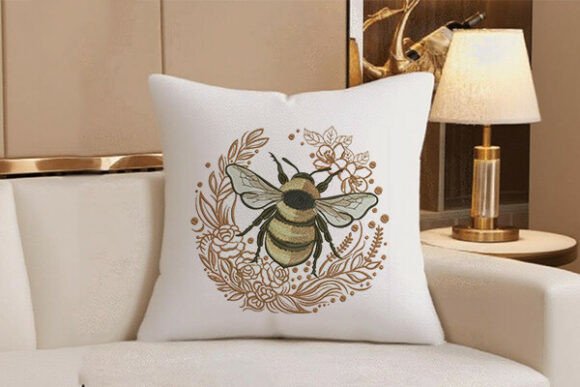
Bee has a gentle, hand-drawn quality that reads as approachable and warm. The design captures the friendly spirit of a buzzing garden helper, and its clean lines give it a versatile place in both rustic and contemporary projects. I found the stitch detail to be well balanced. There is enough texture and shape to make the bee feel alive, but not so much density that the design becomes stiff or bulky. This is a critical balance for any embroidery design intended for personalized gifts. The emotional appeal here is strong. A bee can symbolize community, hard work, sweetness, and home. For a new baby, it whispers wishes of a busy, happy life. For a wedding couple, it speaks to partnership and building something sweet together. That kind of layered meaning makes a design far more giftable.
Putting Bee to Work: Real Gift Scenarios
I tested Bee across several projects that match what our customers actually order. Here is how it performed in each scenario.
Baby Embroidery and Nursery Decor
This design is a wonderful candidate for baby embroidery. I stitched it onto a soft cotton muslin blanket and a small linen pillow cover. The bee came out crisp and adorable. Parents love designs that feel sweet but not overly themed, and Bee fits that niche beautifully. It would work well on a baby onesie, a quilt patch, or a nursery wall hanging. I also tested it on a burp cloth, and the stitch held up well after a gentle wash cycle.
Wedding Gifts and Keepsakes
For wedding keepsakes, I embroidered Bee onto a set of organic cotton guest towels and a linen tote bag. The design added a handmade, heartfelt touch that photograph beautifully for product listings. Couples who value meaningful, natural details are exactly the audience for this motif. I can see it paired with a couple's initials or a wedding date embroidered in a small, elegant font nearby.
Personalized Towels, Aprons, and Home Goods
Bee shines on kitchen and home textiles. I stitched it onto a thick cotton apron and a set of dish towels. The design held its shape and did not pucker, even on the heavier fabric. For an Etsy seller or small shop product, this is a reliable design that will reduce the number of re-stitches and customer complaints. It also works beautifully on pillow covers and small decorative throws, making it a strong choice for a home decor line.
Tote Bags and Craft Fair Products
Custom tote bags are a staple for handmade sellers, and Bee is a natural fit. I tested it on a canvas tote and a cotton market bag. The embroidery was crisp and centered well. This design is the kind of motif that catches a browser's eye at a craft fair. It invites conversation and feels like a quality finished product. For Etsy listings or printable mockups, the bee adds an instant emotional hook that can improve buyer engagement.
Where to Use Bee with Care
No design is perfect for every surface, and Bee has a few considerations worth noting. I always recommend testing on scrap fabric before committing to a customer order. Here are some specific areas to watch.
- Small lettering or fine details nearby: If you plan to pair Bee with text such as a name or date, make sure the lettering is large enough to remain legible. Very small fonts can get lost next to the detail of the bee.
- Delicate or loosely woven fabrics: Fabrics like lightweight voile or very open-knit linen may need extra stabilizer. I suggest a tear-away or cut-away stabilizer depending on the fabric's stretch and weave.
- Thick towels or highly textured fabric: Towels with deep loops can cause stitches to sink. A water-soluble topper can help the design sit on top of the pile. I tested Bee on a thick bath towel with a medium-weight stabilizer and a topper, and the result was clean and professional.
- Stretchy baby clothes: Onesies and stretchy knits require a cut-away stabilizer to prevent distortion. I would also recommend a lightweight fusible interfacing on the back of the fabric before hooping.
- Curved surfaces: Items like baby hats or rounded pillow shams need careful hoop positioning. I suggest using a small hoop and centering the design carefully to avoid uneven stitching.
- Dark fabric: Bee typically uses a yellow and black thread palette. On dark fabric, yellow can appear thin. I recommend a white or light underlay, or testing with a brighter yellow thread to ensure good coverage.
- Frequent washing: For items that will be washed often, such as towels and baby blankets, I suggest using a high-quality polyester thread and confirming the stabilizer is fully removed or trimmed closely. The design held up well in my laundry test, but every fabric behaves differently.
How Bee Affects Giftability and Perceived Value
In the personalized gift market, perceived value is everything. Bee adds a layer of handmade quality that customers can feel and see. The design is detailed enough to justify a premium price point but approachable enough to appeal to a wide audience. When I photographed the finished products for mockups and listings, the bee read beautifully at both full size and thumbnail size. That is a huge advantage for Etsy sellers and small shop owners who rely on strong product photography to drive sales.
Customer trust also benefits from a design like this. When a buyer sees a clean, well-stitched bee on a towel or onesie, they assume the rest of your work is equally careful. It builds confidence in your brand and encourages repeat orders. The emotional connection is immediate. A bee design can evoke memories of gardens, summer, and family, which makes the gift feel more personal and thoughtful.
Practical Embroidery Notes for a Smooth Workflow
Before you start using Bee on customer orders, I recommend walking through a thorough test run. Here is a checklist based on my experience.
- Test on scrap fabric first: Always stitch the design on a piece of fabric similar to your intended product. Check for tension issues, thread breaks, and alignment.
- Check thread color contrast: The typical yellow and black palette works well on light and medium fabrics. On dark or very bright fabrics, re-evaluate your thread choices to keep the bee visible.
- Confirm hoop size: Make sure your hoop can accommodate the design without crowding. A too-small hoop can cause distortion, while a too-large hoop may make centering difficult.
- Review stitch density: Check the embroidery file for density. Bee felt balanced in my test, but if you are using a very thin or very thick fabric, you may need to adjust stabilizer or underlay.
- Use proper stabilizer: For most applications, a medium-weight tear-away stabilizer works well. For stretchy or delicate fabrics, switch to cut-away or add a topper.
- Compare light and dark fabric mockups: Stitch the design on both a light and a dark piece of fabric. This will show you how thread colors perform and whether any adjustments are needed.
- Check small details after stitching: Look closely at the bee's wings and body lines. If any stitches are skipped or distorted, adjust your tension or re-hoop the fabric.
- Confirm commercial licensing: Before selling finished products made with Bee, review the license terms that came with your embroidery file. Many digital embroidery files allow commercial use, but it is always best to verify.
Why Bee Belongs in Your Gift Shop Rotation
After several test stitches and real product runs, I can confidently say that Bee is a versatile, reliable, and emotionally appealing design. It fits the needs of Etsy sellers, craft fair vendors, wedding gift designers, and baby product creators. Its modern but warm style makes it a strong addition to any personalized gift lineup. Whether you are stitching for a custom order, building inventory for a shop, or creating samples for product photography, this design delivers.
If you are still deciding, I suggest starting with a small test run on a towel or a tote bag. Once you see how cleanly it stitches and how customers respond, I think you will find yourself reaching for Bee again and again.